
Check the rule the site states for your area
Residents read this site before they read the planning scheme. Each council page states the secondary dwelling rule in one line, links the clause it was read from and shows the date. A council that finds a word wrong can have it corrected within one working day, and every change is kept on the record.
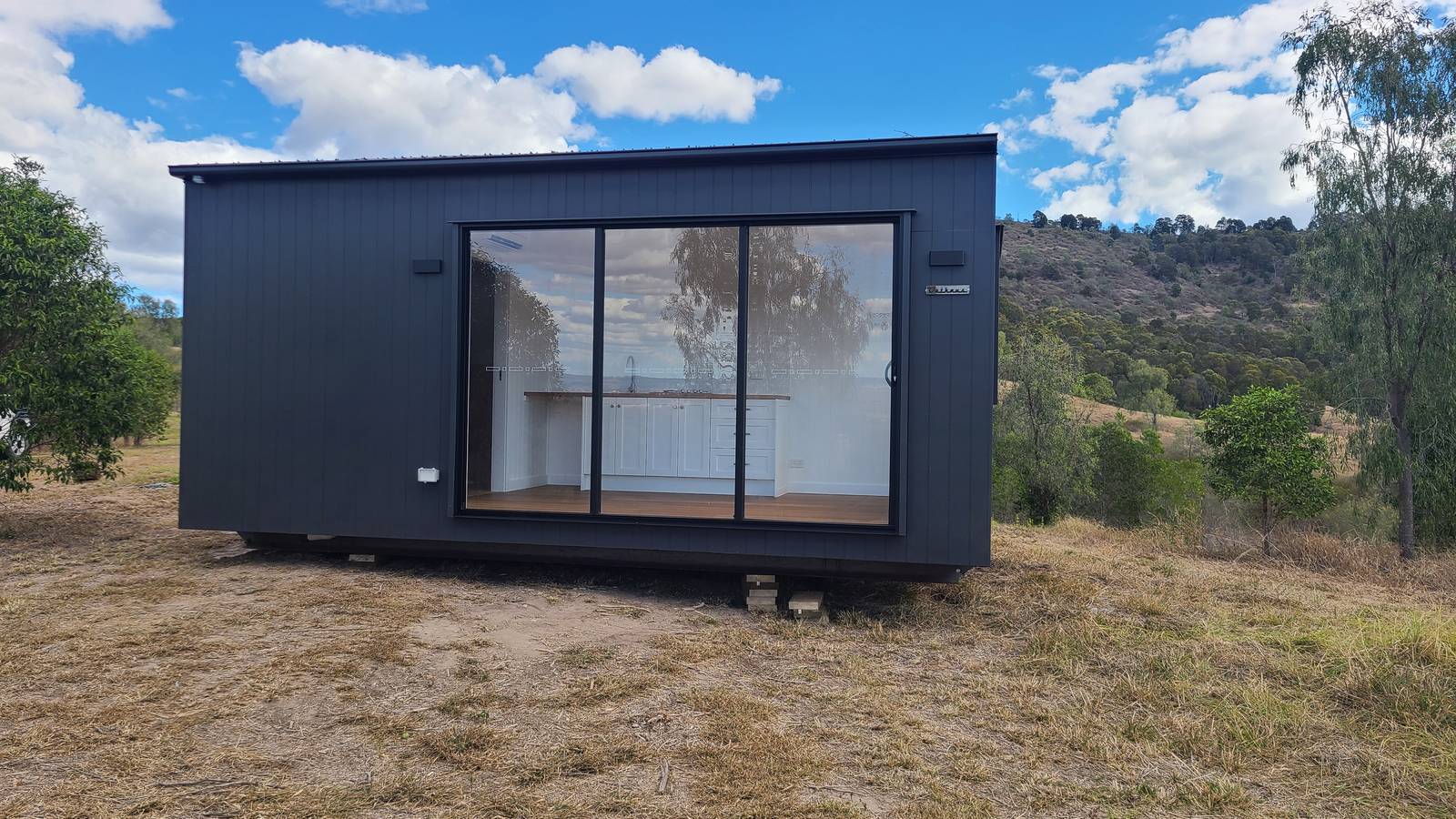
The 12 rules pages
One page per South East Queensland council. Each states the size cap, the minimum lot where the scheme sets one, what else the scheme asks (distance from the house, bedrooms, the driveway), who can live in the home, the approvals always needed, and the infrastructure charge where the council publishes one. Every figure links to the page it came from.
Every other Queensland council's cap is on file too, read from its scheme the same way, and feeds the block check. A council outside the 12 that wants its page built can ask below.
How a correction is made
- Email the page and the clause. howdy@bigsmallhaus.au with the page address, the scheme clause or document, and the reading the council says is right. A planning officer's email is enough; no form, no account.
- The rule file is changed and the site rebuilt, within one working day of the email. The page then shows the corrected rule, the new source link and the date it was read.
- The change is kept. Every council rule is recorded each time it is read, append-only, with the previous reading, the source and the date. A correction appears there as a change from the old wording to the new, so anyone can see what the site said before and when it changed.
- The council is told it is live, by reply, with the link. If the council wants its planning contact page linked from the rules page, that link is added at the same time.
The same one working day applies to any fact on the site: a maker's price, a builder's licence, a listing. It is the rule on the makers page too.
Queensland Housing Code adoption tracker
The Queensland Housing Code started on 1 September 2026. It sets state-wide siting rules for houses and secondary dwellings: height, setbacks, privacy, parking, site cover and open space. It applies in a council area only once that council amends its planning scheme to adopt it, and councils have until 1 September 2029. Until then the council's own scheme and the Queensland Development Code siting parts apply. The table shows what was found on each council's scheme page when its rules were last read.
| Council | Housing Code | What applies today | Checked |
|---|---|---|---|
| Brisbane | No adopting amendment found | City Plan 2014 dwelling house code: 80 m² GFA, within 20 m of the house | October 2026 |
| Gold Coast | No adopting amendment found | City Plan secondary dwelling code: 80 m² GFA, attached or within 10 m of the house | October 2026 |
| Ipswich | No adopting amendment found | City Plan 2025: 60 m² GFA on lots over 450 to 600 m², 90 m² to 800 m², 120 m² over 800 m² | October 2026 |
| Lockyer Valley | Not adopted | Planning Scheme 2024: 70 m² GFA in residential and Township zones, 100 m² elsewhere, two bedrooms. Council's amendments page lists no Housing Code amendment | October 2026 |
| Logan | No adopting amendment found | Planning Scheme 2015 v9.2: 70 m² GFA on residential lots under 1,000 m², 100 m² otherwise | October 2026 |
| Moreton Bay | No adopting amendment found | MBRC Planning Scheme: 45 m² GFA on lots 450 to 800 m², 55 m² above; none under 450 m² | October 2026 |
| Noosa | No adopting amendment found | Noosa Plan 2020 as amended 26 September 2025: 65 m² GFA, two bedrooms at most, one per lot | October 2026 |
| Redland | No adopting amendment found | Redland City Plan: 85 m² GFA on lots under 1,000 m², 112 m² on 1,000 m² or more, 160 m² in the Rural zone | October 2026 |
| Scenic Rim | No adopting amendment found | Scenic Rim Planning Scheme: 60 m² GFA within 20 m of the main house, on any lot size | October 2026 |
| Somerset | Not adopted | Region Planning Scheme v5.0: 60 m² GFA under 2,000 m², 90 m² over, 120 m² on rural lots over 5 ha. Council lists Major Amendment 2 as its latest change, with no Housing Code amendment | October 2026 |
| Sunshine Coast | No adopting amendment found | Planning Scheme 2014: 60 m² GFA on a regular urban lot of at least 600 m², 90 m² in Rural and Rural residential zones. A new planning scheme is in preparation | October 2026 |
| Toowoomba | Not adopted | Regional Planning Scheme v29, in force 21 July 2026, no GFA cap. No adopting amendment on council's scheme page; QDC setbacks apply. A new scheme is in preparation | October 2026 |
"No adopting amendment found" means the state's Housing Code page named no adopting councils and the council's scheme page listed no amendment adopting the code when the rules were read. "Not adopted" means the council's own amendments page was also checked and lists none. A council that has adopted the code, or has an amendment on exhibition, can have this row changed within one working day of an email. The tracker is rebuilt from the council rule files each quarter for the Small Homes Report.
What councils can use
- A plain-English page to point residents at, one per council, with the clause linked, so an enquiry arrives knowing the cap, the distance rule and the approvals needed.
- The free block check, which reads the zone, lot, overlays and sewer from the council and state maps for any address and shows a home on the lot to scale. The same check a planning counter would do first.
- The numbers. How many homes fit the council's cap and what they cost installed, how many houses for sale in the council have room for a second home, and what a flat rents for by postcode, in the cost index and the quarterly report. Data on request.
- A correction channel that works in one working day, with the change on the record.
Questions
Who wrote the rule on each council page?
The site did, from the council's own planning scheme clause, which each page links with the date it was read. The wording is the site's plain-English summary; the clause is the rule. Where the two differ, the clause wins and the page is corrected.
How is a correction made?
Email the page, the clause and the correct reading to howdy@bigsmallhaus.au. The change goes live within one working day. The old reading and the new one are both kept, with their dates, in the site's rule history, so anyone can see what changed and when.
Can a council ask for its page to come down?
The page can be corrected to anything the scheme supports, and any claim the council disputes is removed while it is checked. The rule itself is public law, so the page that states it stays, with the council's correction and the date.
What does the tracker show?
For each of the 12 South East Queensland councils: whether an amendment adopting the Queensland Housing Code was found on the council's scheme page when it was last checked, and the rule that applies until one is. Councils have until 1 September 2029.
Does the site advise on applications?
No. It states the rule and shows what fits a block. Every page says a building approval from a certifier and a plumbing approval from council are always needed, and sends people to the council for anything the scheme does not answer.
- Department of Housing and Public Works, Queensland Housing Code (start date, adoption by councils, 2029 deadline)
- Business Queensland, Queensland Development Code (the siting parts that apply until a council adopts)
- Planning Regulation 2017, schedule 24 (secondary dwelling, dwelling house)
- Queensland Government, secondary dwellings providing housing solutions
- The 12 council rules pages, each linking its scheme clause and read date
- Granny flat rules in Queensland, explained